

Diablo 4: Lord of Hatred is the second expansion to the original Diablo 4 to crawl out of the burning hells, but is this return to Sanctuary worth your time?
There are two camps when it comes to Diablo players; there are those who just want to hack and slash, skip the campaign and cutscenes, and get into the action, maxing out a character, and doing it all again next season. Then there are those who may have enjoyed the series since the early days of Diablo 1 and 2, who play for the dark story, the vast lore, and are mostly motivated by quests and substantial expansion content – rather than just doing the same thing every season.
That isn’t to say there isn’t overlap between these two camps, but the second group only tend to return once a new expansion drops. We are in that camp, and we’re happy to say that, like Vessel of Hatred, the Lord of Hatred expansion is everything we hoped it would be. It’s been two years since the last expansion, and Lord of Hatred finally gives us what we wanted – more story-driven quests.
While early seasons dabbled with some cool new stories (such as the vampires, bring those back, please, Blizzard), this wasn’t always enough to tempt us into starting a new character once we had experimented with all the builds we cared to try. So, Lord of Hatred adding two new classes and letting us continue the story with our favourite characters/builds made us feel like we had just bought our first copy of Diablo 2: Lord of Destruction all over again.
Hatred hunting

Skovos is a welcome addition to Sanctuary and a change from previous regions. Image credit: Blizzard
Lord of Hatred is set sometime after Vessel of Hatred, after Mephisto has escaped within the body of Akarat and is now loose in the world with the Wanderer (the playable protagonist) on his trail. After a shocking opening cutscene, players will travel to Skovos, the homeland of Diablo 2’s Amazons and a region that’s been mostly untouched by Diablo and the Prime Evils. The new area is different from anything we’ve seen before in Diablo 4 and was fun to explore while we played through the breezy eight-hour campaign.
The biggest shock was changes made to skills that throw every existing build template into disarray – and this is a good thing. Essentially, the expansion has done away with individual passive skills and connected them all to an active skill. It’s also raised the skill level cap from 60 to 70 and now allows players to pump up to 15 points into a skill rather than 5. Then they can choose to invest more points by selecting an two enhancements and various passives.
While this initially threw us, it actually made buildcrafting much simpler to understand and do from the outset. For example, with our Minion build Necromancer, we just piled most of our points into Skeleton and Golem skills, our main attack skill, then used what we had leftover for support skills such as Curses. This was a breath of fresh air and saved us agonising about which complimentary passives would be best. Instead, the game grouped them together under our chosen skills which allowed us to assemble the best build for our favourite playstyle without much fuss.
In the endgame now
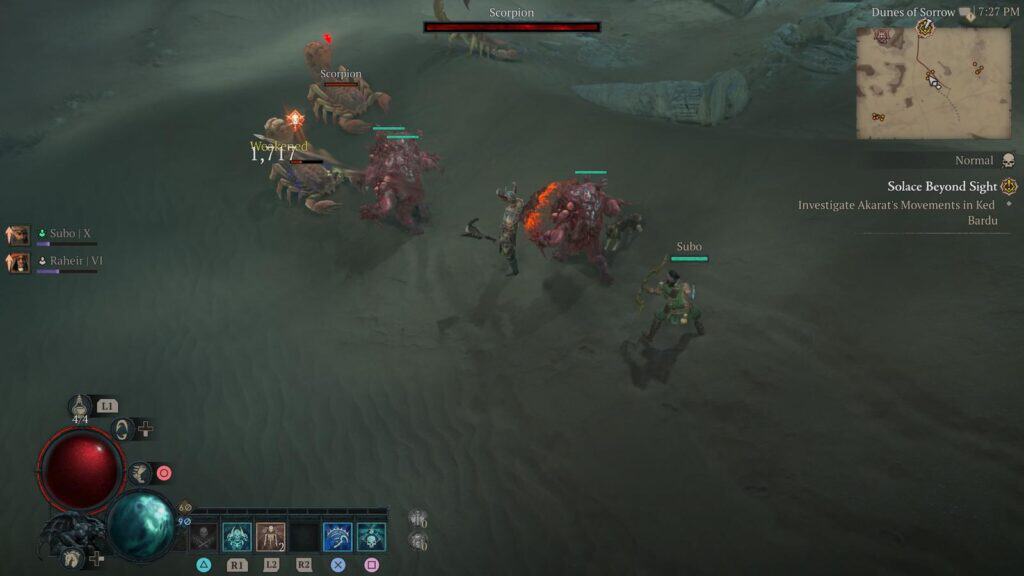
The undead gang are back together – and stronger than ever Image credit: Blizzard
This change may annoy hardcore players who like to micromanage every aspect of a build, but we found it refreshing as returning players, and a great way for newer players to get to grips with the skills and systems. It was also fun to see how powerful a build could be when every skill point was focused into it. The game hasn’t lost any of its depth with this change, just streamlined the path by making it all about the skills you choose and what supports them.
Once you beat the campaign you’ll find yourself in the endgame. At this point, there are far too many endgame modes and mechanics to mention in one review, but suffice to say, everything that’s remained up to Season 12 is still here and is as deep as ever. You can really lose yourself in the menus and upgrade paths in Diablo 4, and those who engage with them fully will be able to make their build almost unstoppable.
Adding to these endless menus is the new Talisman system that feels a lot like a seasonal gimmick (think Boss, Vampire, Witch Powers) but this is here to stay and lets you earn bonuses from combining different set pieces. Players will be used to earning rewards from finding matching pieces from the same set, but this is a system that encourages you to mix and match, targeting gear that buffs attributes that are helpful to you. It’s clever and once we wrapped our brains around it, it was a useful addition to our strategy.
Two new classes
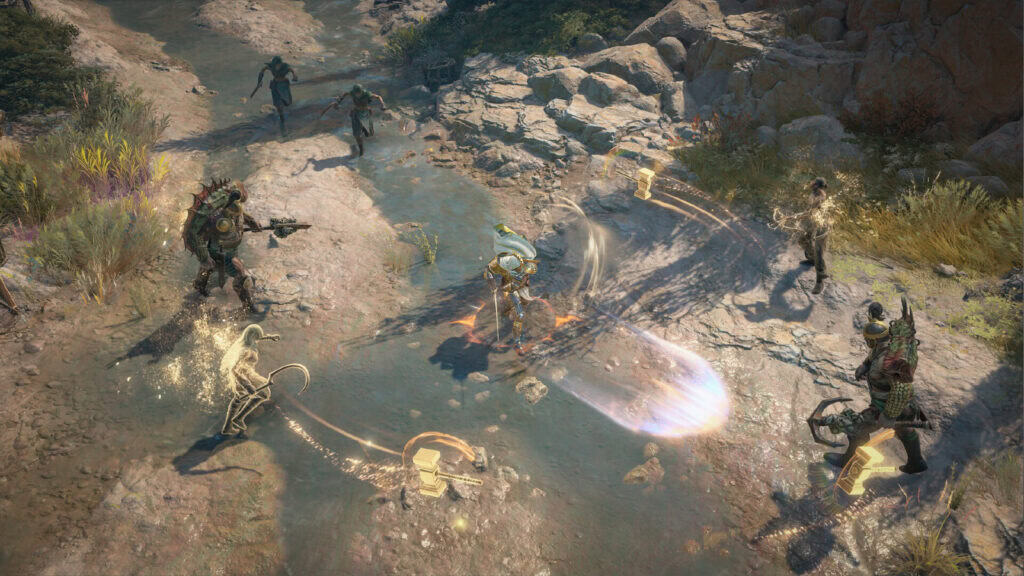
The Paladin is back to smite their enemies. Image credit: Blizzard
Speaking of builds, Lord of Hatred adds two new character classes, the returning Paladin (from Diablo 2) and the Warlock, a class that was also added to Diablo 2 in a surprise update a few months ago. The Paladin was largely replaced by the Crusader in Diablo 3 and Immortal, so it’s nice to see the OG holy warrior back on top. Those who’ve played as the Paladin class in earlier games will know exactly what they’re getting here; they’re a one-person army who uses their zealous faith to shield them from damage while smiting their enemies with righteous fury. Adding the class feels a bit like Diablo 4 backfilling it’s roster – and we’re fine with that.
But the Warlock is where things get weird. The class is a mix between the Sorcerer and Necromancer, which is great for those who enjoy battlemage classes, but as it did in Diablo 2, it sometimes feels a bit unoriginal when compared to Vessel of Hatred’s Spiritborn class. The goods news is playing as the Warlock is a blast, and we’re looking forward to jumping into the next season with them being our focus for the duration.
Lord of Hatred does exactly what it promised, and a lot of what Vessel of Hatred did before, it expands the campaign, adds some fun new endgame content, and two shiny new character classes. It sits up there with the other legendary Diablo expansions such as Lord of Destruction, Reaper of Souls and Vessel of Hatred.
While it provides closure for some characters and stories, it still feels like Diablo 4 is building to something much bigger, which is an tantalising thing to consider. We’ve long given up on seasonal content doing much to further the lore, so we’re excited to see what the next expansion brings – and we’re expecting Terror or Destruction to reign, if you know, you know. Let’s just hope its not another two years away.