
Close Menu
voxmusicmagazine.com
    What's Hot

    The Moshville Times – Festival Review: DesertFest London 2026 – various venues in Camden Town, London (15th – 17th May 2026)

    May 23, 2026

    Hue And Cry

    May 23, 2026

    Exclusive Southend Film Festival interview with Doggerland: The Dead & The Lonely Co-Writer-Director Adam McHattie • Blazing Minds

    May 23, 2026
    Facebook X (Twitter) Instagram
    voxmusicmagazine.com
    • Home
    • ROCK
    • R&B
    • METAL
    • COUNTRY
    • ALTERNATIVE
    • HIP HOP
    • POP
    • ELECTRONIC
    • MOVIES
    • CONTACT
      • LEGAL STUFF
    voxmusicmagazine.com
    Home»COUNTRY»Book Review: Patrick Joseph OConnor Wichita Blues: Music in the African American Community
    COUNTRY

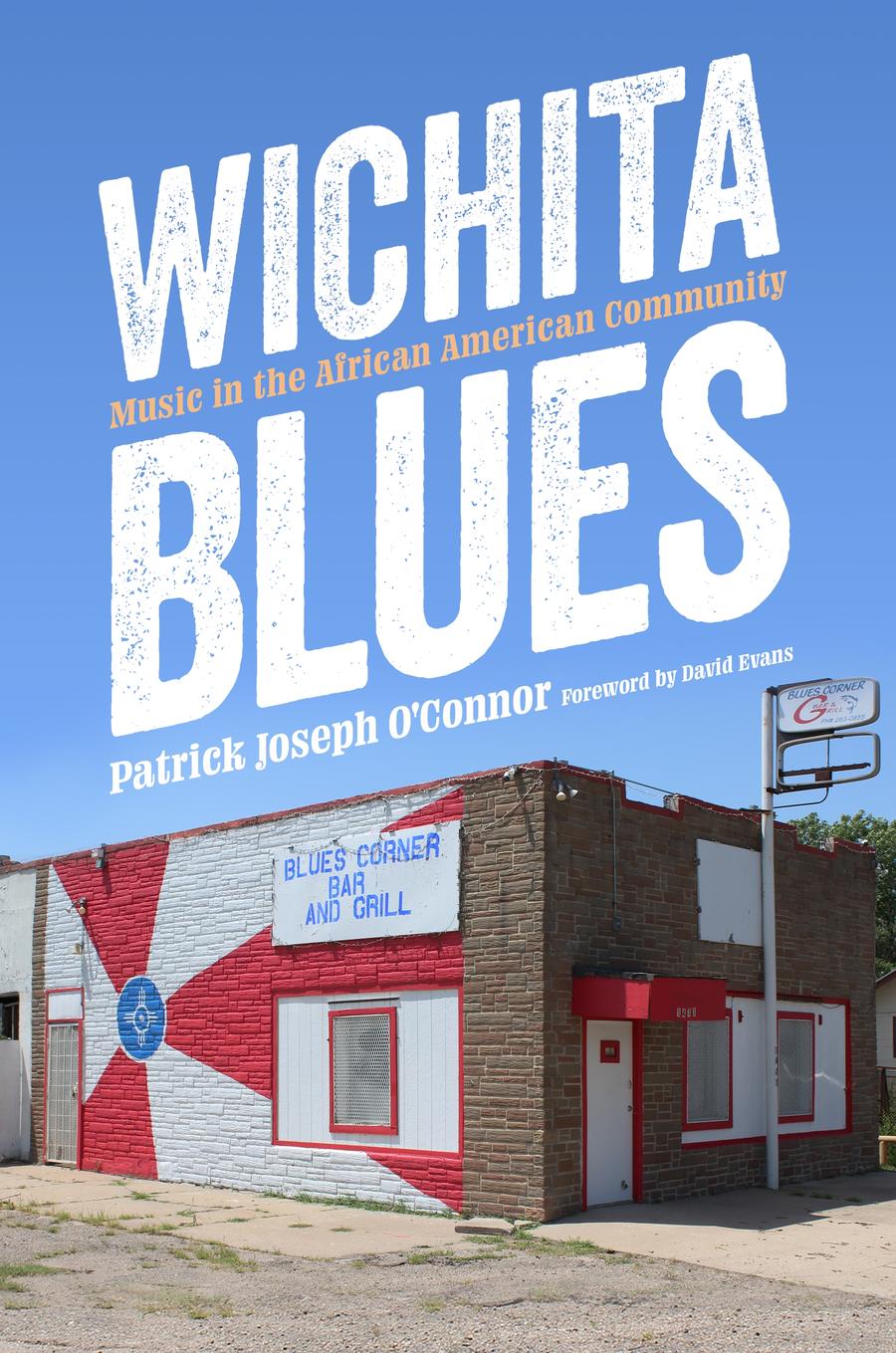
    Book Review: Patrick Joseph OConnor Wichita Blues: Music in the African American Community

    AdminBy AdminMay 14, 2026
    Share Facebook Twitter Pinterest LinkedIn
    Book Review: Patrick Joseph OConnor Wichita Blues: Music in the African American Community


    Patrick Joseph O’Connor’s Wichita Blues: Music in the African American Community reclaims an overlooked part in American musicology. While places like Chicago, Memphis, and the Mississippi Delta often dominate the story of Blues, O’Connor suggests that Wichita served as an important crossroads for the genre. By documenting the oral histories of nineteen musicians, he has merged a study of migration and identity into the story of the music itself.

    The book is structured chronologically, beginning with the early African American migration to Kansas. O’Connor establishes that the Black settlers were in pursuit of freedom and economic opportunity. This historical context is essential, as it frames the blues not merely as entertainment but as a cultural tool for preserving that hard-won liberty. The early chapters provide a necessary foundation, detailing how urban centres like Topeka and Wichita became magnets for those seeking employment in the growing industries, specifically the aircraft plants that defined the mid-century economy.

    O’Connor makes his argument around the “Territory bands” and the geographical advantages of Wichita. Its position on mainline railroads and major highways made it a frequent stop for legendary figures. The 1940 KFBI radio recording of Jay McShann and His Orchestra, featuring a young Charlie Parker making his recording debut on the song Wichita Blues, is a touchstone for much of the early part of the book. Every player seems to be asked for their recollections of Parker, and that highlights the connection between Jazz and Blues, which is often missed in the more cosmopolitan parts of New York and Los Angeles. Players had feet in both camps, and this is a goldmine of new information for early Be-Bop fans as well as those whose tastes run more to the Blues.

    The heart of the book lies in the personal narratives. O’Connor captures the voices of folk artists and professional performers like Gene Metcalf, Jerry Childers, and Harmonica Chuck. These interviews explore the “Oklahoma influence,” noting how musicians from Tulsa and Muskogee brought their stylistic imaginings north. The tension between “country blues” and the more polished “city variety” is covered well. O’Connor observes how younger musicians often distanced themselves from the “old style” played by their parents, even as they built on their influence.

    The final chapter’s analysis and “discussion of results” provides a scholarly emphasis that makes this more than just a collection of anecdotes. O’Connor investigates whether Wichita had a distinct style or if it was just a cultural borrower. The conclusion is that Wichita’s significance lies in the way its musicians interpreted national hits and regional influences through a local lens, creating a unique “blues culture” supported by tight-knit family structures and shared community spaces.

    Wichita Blues is an overdue tribute to the artists and others who maintained an oral tradition against the backdrop of segregation. O’Connor demonstrates that the blues acted as a “natural vent” for the homesickness and aspirations of a migrating people. For any reader interested in how music moves across borders and takes root in new places, this book is as indispensable as Robert Palmer’s Deep Blues, or the writing of Gayle Dean Wardlow, which we will look at in a future piece.

    Rough and ready, but one of the jumping off points for modern jazz – recorded at KFBI’s studios in Wichita, December 1940.

    Related

    View Original Article Here

    Share. Facebook Twitter Pinterest LinkedIn
    Previous ArticleClassic Clips: Albert Lee Country Boy Live on BBC Radio 2s Weekend Wogan – 28th March 2010
    Next Article Cowboy Junkies Open to Beauty

    Related Posts

    Something for the long weekend: Steve Earle City of Immigrants

    May 22, 2026

    Americana Stories – Coming soon, but theres still time to submit your story

    May 21, 2026

    Mia Kelly Big Time Rollercoaster Feeling

    May 21, 2026

    The latest AUK podcast is live now featuring Alela Diane & Thomas Dollbaum

    May 21, 2026
    LATEST POSTS

    The Moshville Times – Festival Review: DesertFest London 2026 – various venues in Camden Town, London (15th – 17th May 2026)

    May 23, 2026

    Hue And Cry

    May 23, 2026

    Exclusive Southend Film Festival interview with Doggerland: The Dead & The Lonely Co-Writer-Director Adam McHattie • Blazing Minds

    May 23, 2026

    Kojey Radical @ The Royal Albert Hall (20.05.26)

    May 23, 2026

    Exclusive Interview with Debt Meat Writer-Director Benji Edward • Blazing Minds

    May 22, 2026

    DIAMOND IN THE ROUGH: Flowananda – First Breath

    May 22, 2026

    ALBUM SALES (week 21, 2026): Drake, Drake, Drake, Giveon & more!

    May 22, 2026
    Archives
    POPULAR POSTS

    The Moshville Times – Festival Review: DesertFest London 2026 – various venues in Camden Town, London (15th – 17th May 2026)

    May 23, 2026

    Hue And Cry

    May 23, 2026

    Exclusive Southend Film Festival interview with Doggerland: The Dead & The Lonely Co-Writer-Director Adam McHattie • Blazing Minds

    May 23, 2026

    Kojey Radical @ The Royal Albert Hall (20.05.26)

    May 23, 2026
    About Us

    Welcome to Vox Music Magazine — where music lives and breathes. Whether you're chasing the rush of a surprise album drop, keeping up with breaking artist news, or uncovering the deeper stories behind the songs you love, you're exactly where you need to be. This is more than just a magazine — it's a space built for people who feel music, not just hear it.

    We cover every corner of the music world, from global chart-toppers to underground gems waiting to be discovered. Hip-hop to rock, pop to electronic, R&B to country — no genre is off-limits, and no story is too small if it matters to the culture. Whether you're a casual listener or a die-hard fan, there’s always something here for you.

    Our passionate team of writers brings you the latest news, honest reviews, exclusive interviews, and sharp industry insight — updated daily to keep you ahead of the curve. We don’t just report on music, we celebrate it, question it, and explore what makes it move people.

    So pull up a seat, turn up the volume, and dive in. This isn’t just where you read about music — it’s where you belong.

    © 2026 Vox Music Magazine. All rights reserved. All articles, images, product names, logos, and brands are property of their respective owners. All company, product and service names used in this website are for identification purposes only. Use of these names, logos, and brands does not imply endorsement unless specified. By using this site, you agree to the Terms & Conditions and Privacy Policy.

    Type above and press Enter to search. Press Esc to cancel.

    We use cookies to ensure that we give you the best experience on our website. If you continue to use this site we will assume that you are happy with it.